February 10, 2026
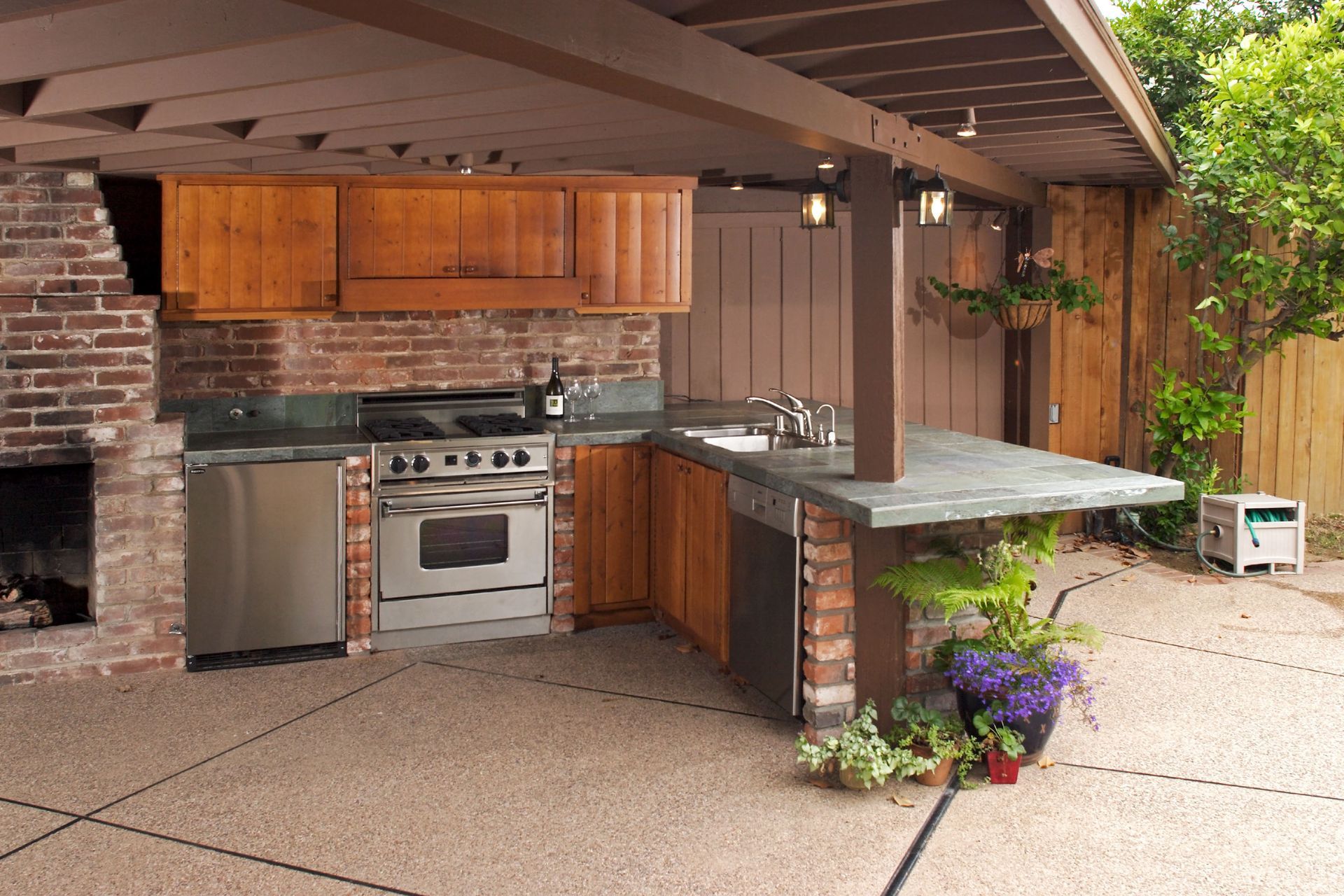
Outdoor kitchens have gained popularity as homeowners seek to extend their living spaces and entertain guests in an inviting, open-air setting. These areas provide both aesthetic enjoyment and practical functionality, making them a desirable home feature. However, the process of a kitchen remodel or installing an outdoor kitchen involves safety challenges that require thorough planning and execution.
Understanding the Scope of Your Project
Before embarking on an outdoor kitchen remodel project, it's essential to thoroughly assess the available space. This involves measuring the area where the kitchen will be located and considering the best layout for utility and style. Space constraints may affect appliance and furniture placement, impacting both functionality and safety. Any kitchen remodel should begin with a clear understanding of limitations and possibilities.
Consider how much room is needed for cooking, dining, and entertainment activities. Also, leave sufficient space for safe maneuverability around cooking areas and equipment. Remember that a minimum of 36 inches is recommended for paths, allowing for smooth and safe movement.
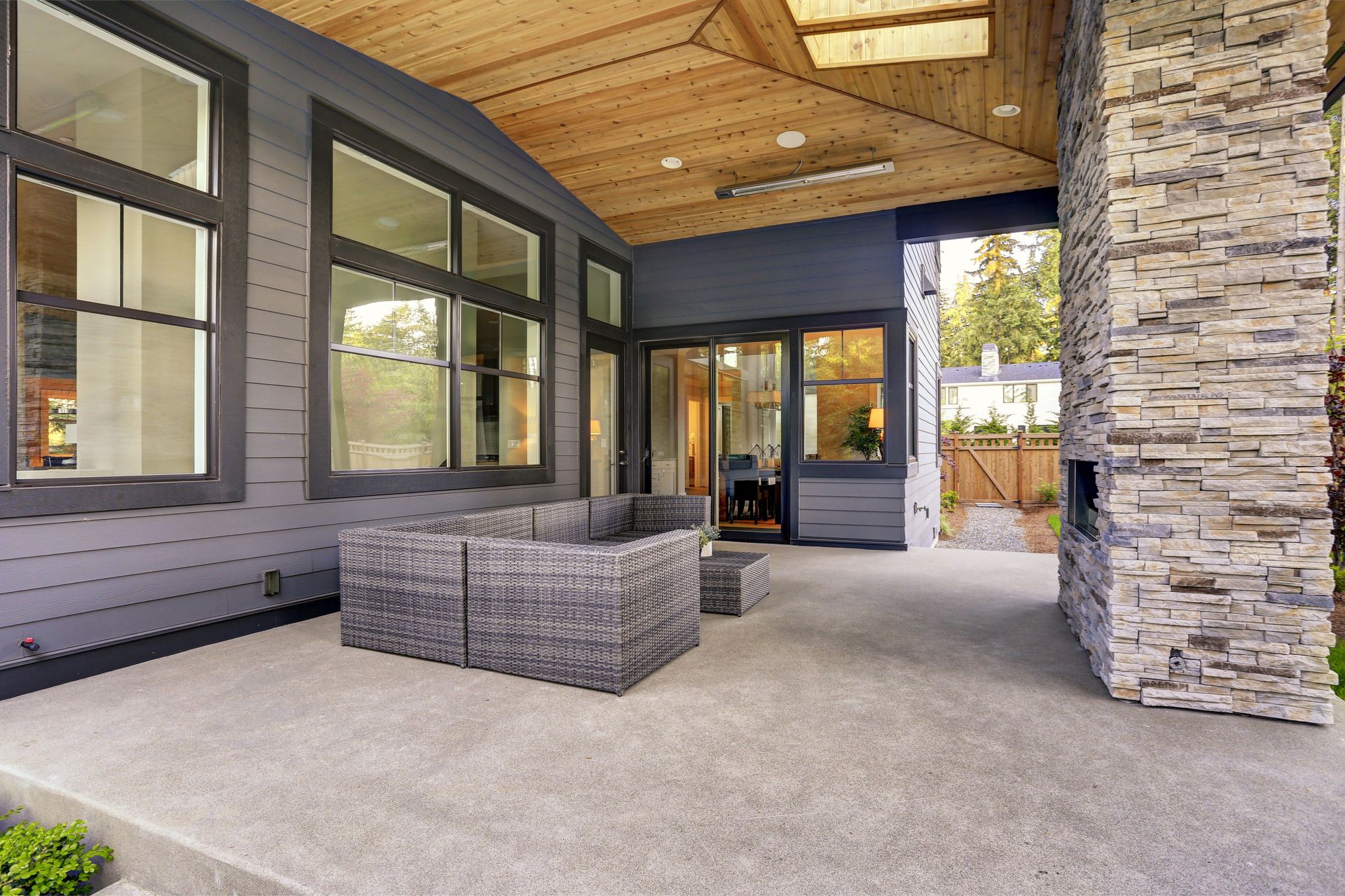
The layout should also provide for sheltered or shaded zones to protect against weather conditions. Balancing openness with protection ensures usage across different seasons. Plan for lighting design too, ensuring the space is well-lit for evening use while maintaining a cozy ambiance.
Determining Permits and Local Regulations
Familiarize yourself with the building codes and zoning regulations in your area before beginning any remodeling project. Each municipality may have specific requirements for plumbing, gas, and electrical installations that must be adhered to for legal and safety reasons. Consult with local authorities or a professional contractor to understand the necessary permits needed for your project.
Safety codes for outdoor kitchens often involve regulations around structural integrity and fire safety. An example is maintaining safe distances between cooking equipment and combustible materials. According to This Old House, grills should be placed at least 10 feet away from flammable elements like wood siding, deck rails, and tree branches.
Additionally, building permits might involve environmental assessments, where applicable, to ensure compliance with environmental protection standards. Unauthorized constructions could lead to fines, mandatory modifications, or even the dismantling of completed structures. Taking the time to obtain the relevant legal approvals upfront can save time, money, and headaches in the long run.
Setting a Realistic Budget
A comprehensive budget is a cornerstone of any remodeling project, and outdoor kitchens are no exception. Begin by detailing all aspects of the project, including design, materials, labor, permits, and unexpected costs. Establishing a clear kitchen remodel budget helps ensure preparedness for any contingencies that might arise.
Costs can vary greatly depending on the size and scope of the project. For instance, high-end appliances, luxury materials, and custom designs significantly raise expenses. Understand that cutting corners could affect the project's safety and longevity.
Beyond construction, plan for ongoing maintenance expenses as outdoor kitchens require upkeep to remain in good condition. This includes potential repairs to appliances, refreshing weatherproof treatments annually, and maintaining gas and electrical systems. A well-planned budget promotes a stress-free remodeling experience.
Hiring Professional Help Versus DIY
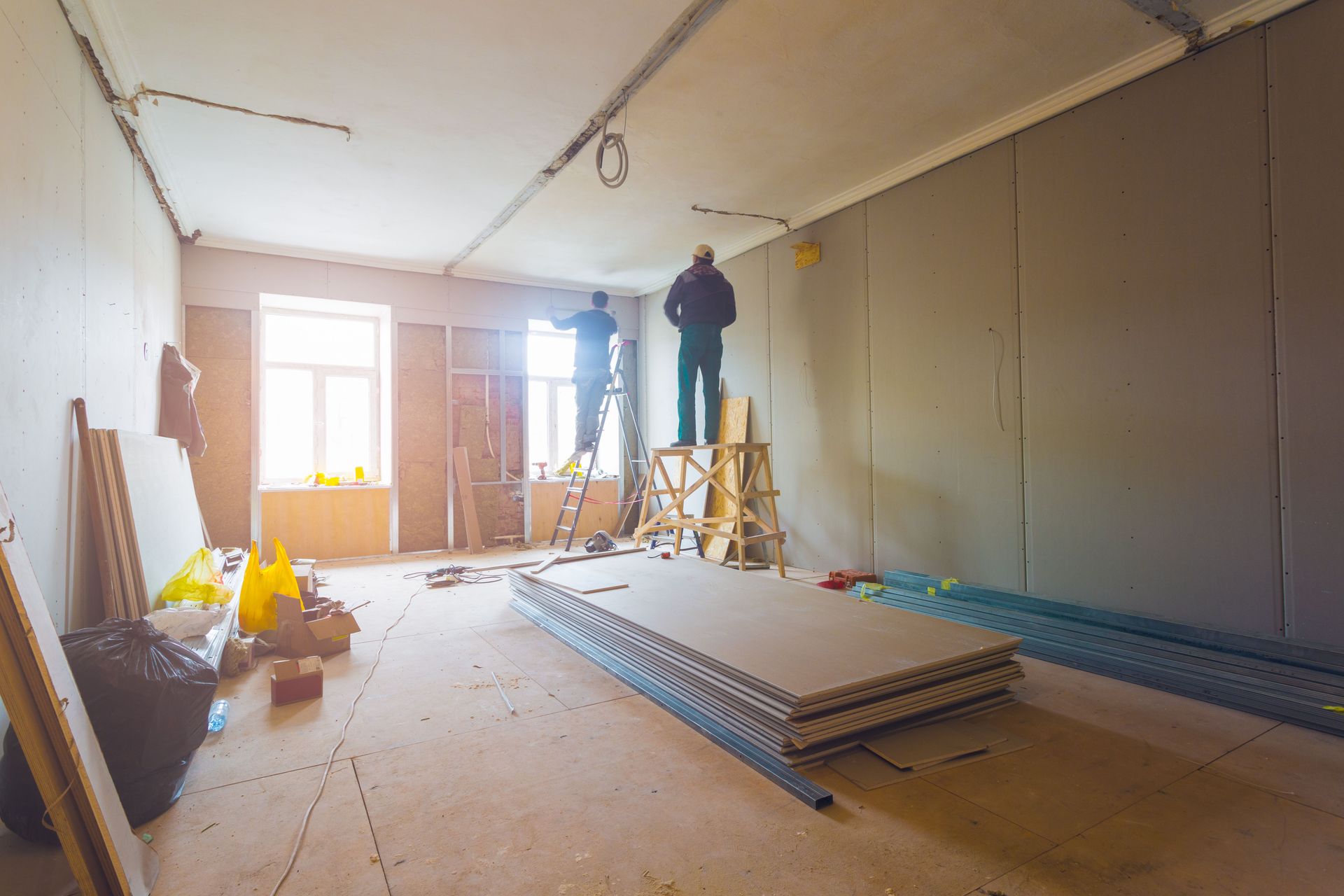
Another critical decision involves choosing whether to hire professionals or tackle the remodeling project yourself. Professional contractors bring expertise, often yielding higher quality results and adherence to safety standards. This is especially important during a kitchen remodel that involves utilities and structural work. Additionally, established contractors are likely familiar with acquiring necessary permits and navigating local regulations efficiently.
Opting for a DIY approach could be more budget-friendly and allows for greater personal customization. However, it demands a strong understanding of construction, plumbing, and electrical systems to avoid costly and potentially dangerous mistakes. Hiring specialists for specific tasks, such as gas line installations or electrical work, is a prudent compromise.
Ultimately, the choice depends on your skill level, the complexity of the project, and available time. Weigh the potential cost savings of DIY against the value of a professional's experience and ability to enhance both results and safety. Whichever route you choose, prioritize safety and quality over shortcuts.
Planning for Material Sourcing and Storage
Proper material sourcing is crucial for ensuring the durability and safety of your outdoor kitchen. A well-organized kitchen remodel relies on selecting weather-resistant materials that withstand outdoor conditions. This includes selecting stainless steel or powder-coated finishes for appliances to prevent rust and ensure longevity.
Efficient storage solutions for raw materials and tools are equally important to maintain organization and safety on-site. Designate a secure, dry location for storing materials to protect them from weather damage or theft and prioritize safe access to these supplies.
When ordering materials, factor in lead times and potential delays, especially if custom pieces are part of your plan. Establishing strong relationships with reliable suppliers will benefit the project's timeline and quality outcome. Proper planning and sourcing help prevent delays, ensuring your project progresses seamlessly.
Ensuring Structural Safety
The foundation of your outdoor kitchen is critical for its safety and longevity. During a kitchen remodel, a stable, well-constructed base prevents structural failures that could result in accidents or costly repairs. Start by assessing the suitability of your existing surface to determine its ability to support additional weight and structural components.
If the existing base is insufficient, invest in reinforcing it or installing a new foundation. Concrete slabs are popular choices due to their durability and load-bearing capability. Proper leveling of the surface is imperative to avoid water pooling, which can lead to slips and damage over time.
Consulting with a structural engineer or professional contractor can provide peace of mind, ensuring the foundation aligns with safety standards and project goals. Remember that a strong base supports all other aspects of the kitchen, impacting safety from construction to everyday use.
Inspecting Supporting Structures
All supporting structures, such as frameworks, walls, and covers, require thorough inspection to ensure their integrity. Identifying potential weaknesses in these elements early prevents structural failures or injuries later. An initial evaluation involves visual assessments for visible damage such as cracks, warping, or rust.
Pay special attention to joints and connections, as these points often bear significant stress and are prone to wear over time. Reinforce any weak points and replace damaged materials promptly. Outdoor environments can also exacerbate material deterioration, necessitating constant vigilance.
Beyond the visible structures, inspect any anchoring systems to guarantee stability in adverse weather conditions such as wind or heavy rain. Regular inspections pre- and post-construction ensure that all components remain in excellent condition, promoting overall safety.
Securing Cabinets and Appliances Properly
The outdoor kitchen's functionality and safety depend significantly on the secure installation of cabinets and appliances. Properly anchored cabinets prevent tipping hazards, which can lead to injuries or damage. Ensure that cabinets and storage units are firmly attached to walls or the base, using appropriate hardware and anchors.
Appliances such as grills, ovens, and refrigerators must be adequately secured to avoid unwanted movement. The consistent use of appropriate brackets and fasteners designed for outdoor use ensures stability. Furthermore, appliances should be positioned strategically to minimize risks related to proximity to flammable materials or water sources.
Ensure that installation guidelines particular to each appliance's model are followed diligently. Where applicable, consult installation manuals and consider professional assistance for peace of mind. Taking these precautions helps maintain safety while enhancing an outdoor kitchen's functionality.
Weatherproofing Considerations
Weatherproofing your outdoor kitchen is crucial to protect it from the elements and prolong its lifespan. Begin by utilizing materials that are resistant to moisture, heat, and other weather-related challenges. For example, opt for treated wood, stone, or stainless steel, known for their durability in outdoor settings.
Waterproof coatings on surfaces like countertops can prevent water damage and stains while making cleaning easier. Additionally, consider how shading systems, awnings, or pergolas can protect from direct sunlight and rain. These solutions also contribute to more comfortable cooking and dining environments.
Planning an outdoor kitchen requires careful attention to safety, structure, and long-term functionality at every stage of the process. By thoroughly assessing your space, following local regulations, budgeting wisely, and prioritizing proper installation and weatherproofing, you can create an outdoor kitchen that is both inviting and secure. With thoughtful preparation and informed decisions, your outdoor kitchen can become a lasting, enjoyable extension of your home that supports safe and memorable gatherings for years to come. If you are looking to upgrade your home with an outdoor kitchen, contact Tennessee Home Builders today.